Owner's guide
How to adjust a Radley watch strap for the perfect fit
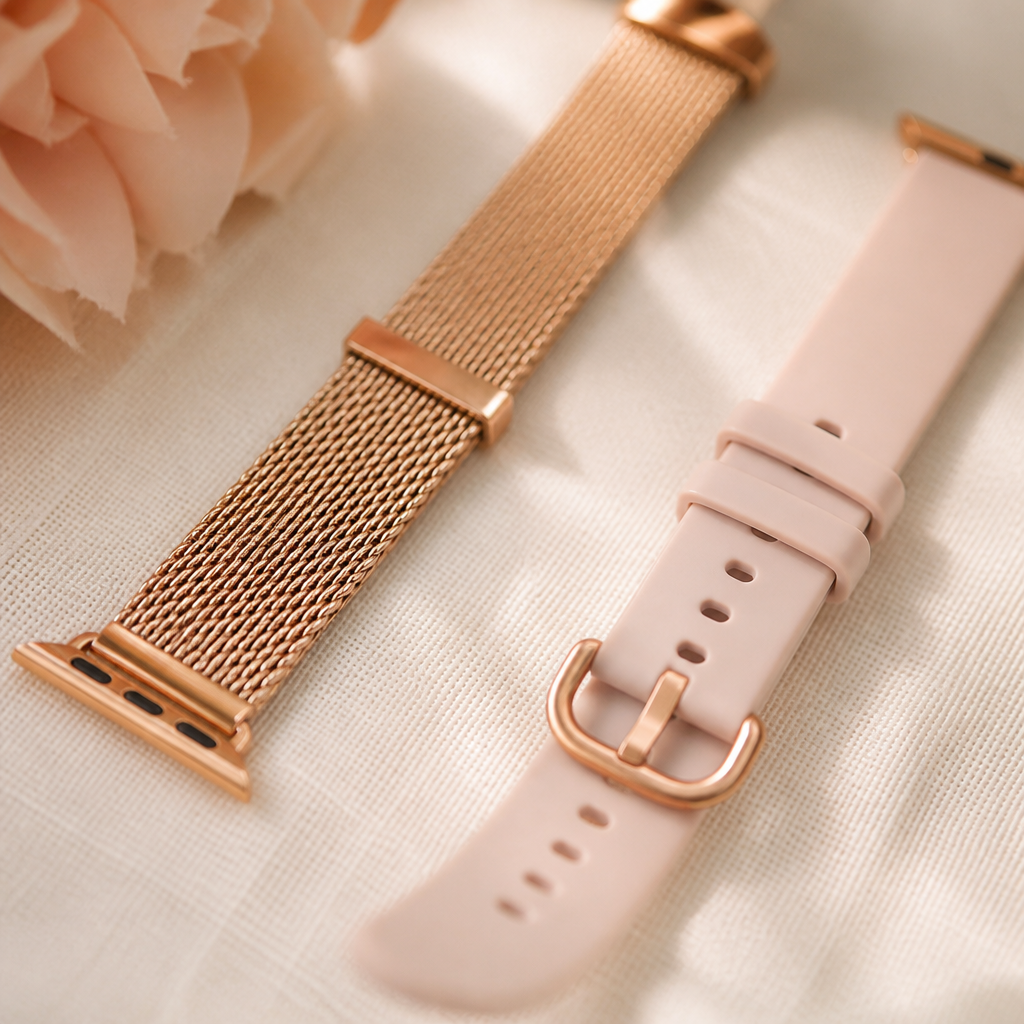
Finding the sweet spot for your watch strap is about more than just comfort. For a Radley London smartwatch to function at its best, the sensors on the underside of the case need to maintain consistent contact with your skin. If the band is too loose, your heart rate data might appear erratic; if it is too tight, you will likely find it uncomfortable by mid-afternoon. Whether you have just unboxed a new Series 20 or you are swapping to a fresh silicone band for a gym session, getting the fit right is a simple task you can manage at home.
Radley timepieces generally arrive with one of three strap types: the elegant stainless steel mesh, the sporty silicone buckle, or the classic metal link bracelet. Each requires a slightly different approach to resizing. Because these watches are manufactured by Peers Hardy with standard fittings, you do not need to be a horologist to make these changes. You simply need a flat surface, a bit of patience, and perhaps a small pointed tool for the more intricate adjustments.
Adjusting the Radley mesh strap
The mesh strap is a popular choice for Radley owners because it offers a sophisticated look without the bulk of traditional links. These straps use a sliding clasp mechanism that allows for infinite adjustment within the length of the band. Unlike leather straps which rely on pre-punched holes, the mesh slider can be moved by mere millimetres to achieve a truly bespoke fit.
To move the clasp, look for the small rectangular flap on the top of the locking mechanism. You will notice a small arrow or a slight indentation. Use a small flat-head screwdriver or a sturdy fingernail to gently pry this flap upwards. Once released, the entire clasp assembly will slide freely along the metal mesh. Position it where you feel it will be most comfortable, ensuring the clasp aligns with one of the horizontal grooves on the underside of the strap. Press the flap back down firmly until it clicks into place.

Resizing metal link bracelets
Metal link bracelets provide a more substantial feel, but they are the most involved to resize. These straps consist of individual metal segments held together by small friction pins. To make the strap smaller, you must physically remove one or more of these links. Most Radley link watches feature arrows on the inside of the strap, indicating which direction the pins should be pushed out.
You will need a pin removal tool or a very fine, sturdy needle. Apply steady pressure to the pin in the direction of the arrow until it emerges from the other side. Once you have removed the necessary links to match your wrist circumference, rejoin the remaining ends of the strap by sliding a pin back in, opposite to the direction of the arrow. If this feels daunting, a local jeweller can usually perform this service for a small fee.
Average high-street link removal service
Estimated cost at a typical UK watch repair stall.
$13
Managing silicone and leather straps
Silicone straps are the standard for fitness-focused models like the Series 8 or Series 33. These are adjusted via a traditional buckle and tang system. While you cannot 'resize' the physical length of the material easily, you can ensure a better fit by choosing the correct hole. For activity tracking, the watch should be tight enough that it does not slide down your wrist when you pump your arms, but loose enough to let your skin breathe.
If you find yourself between two holes on a silicone strap, it is generally better to opt for the slightly tighter fit during exercise and loosen it by one notch for all-day wear. If the 'tail' of the strap is too long and catches on your sleeves, ensure you are utilizing both retainers (the small loops) to keep the excess material flat against the band.
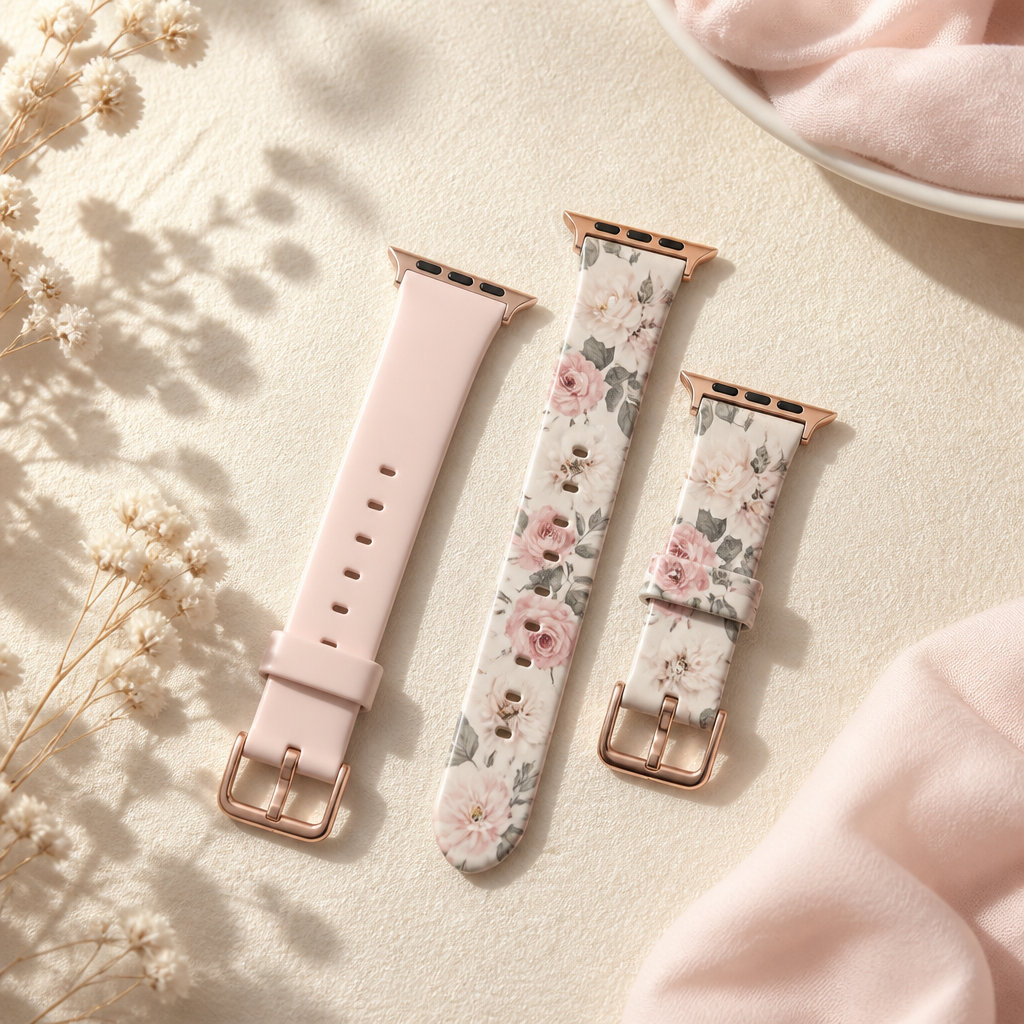
Step-by-step guide to swapping your strap
Most modern Radley smartwatches use quick-release pins, making it incredibly simple to change your look. This allows you to move from a silicone gym strap to a rose gold mesh strap in seconds without any tools at all.
- Place your watch face-down on a soft cloth to prevent scratching the screen.
- Locate the small silver knob on the underside of the strap near the watch lugs.
- Slide the knob inward toward the centre of the strap to retract the pin.
- Gently pull the strap away from the watch body.
- To attach the new strap, insert one end of the pin into the lug hole.
- Retract the quick-release knob again, align it with the opposite hole, and release.
Achieving the ideal sensor position
The way you wear the watch is just as important as how you adjust the strap. For the most accurate heart rate and blood oxygen readings, the watch should sit approximately one finger-width above your wrist bone (the carpals). This area is flatter and has better blood flow visibility for the optical sensors.
If you adjust your strap and still find the readings are inconsistent, check for debris on the sensor glass. A quick wipe with a damp microfibre cloth can often resolve tracking issues that a tighter strap cannot. Remember that while these devices are excellent for monitoring trends, they are fashion-led trackers and not medical-grade equipment.
Frequently asked
- What size strap does my Radley smartwatch use?
- Most Radley models use standard 20mm or 22mm widths. You can verify this by measuring the distance between the lugs where the strap attaches.
- Can I add extra holes to a leather Radley strap?
- It is possible using a leather punch tool, but we recommend against it as it can weaken the material and may affect your warranty.
- My mesh strap keeps sliding open, how do I fix it?
- Ensure the locking flap is fully pressed down. If it still slides, the small metal bar inside the clasp may need a very slight bend to increase tension, though this is best handled by a professional.
- Are the straps waterproof?
- Silicone straps handle moisture well, but leather and mesh straps should be kept dry to prevent staining or tarnishing over time.
Prices are approximate, converted from GBP at a fixed rate.